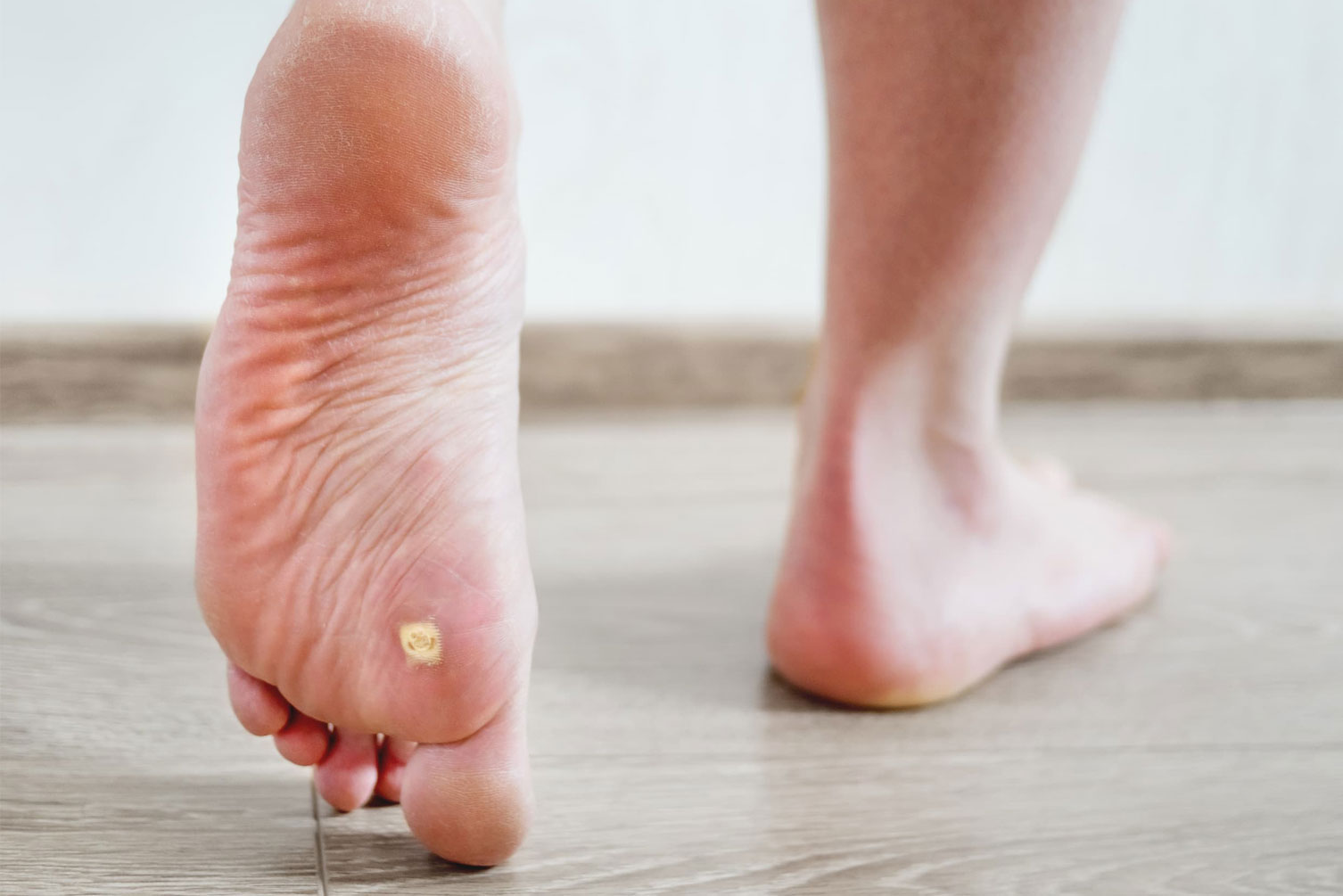
Verrucas are common and usually harmless, but they can be uncomfortable for children to deal with. Fortunately, there are things you can do to help reduce the risk of your child developing a verruca - whether you know of a specific case or you’re seeking general preventative measures.
In this blog, we discuss how you as a parent can help to prevent the spread of verrucas in children. Keep reading to learn more.
It’s important to know that there is no way to completely prevent your child from getting a verruca. They’re very common, especially in school-aged children - NICE estimates 5 to 30% of school-aged children and young people have warts or verrucas.
However, doctors know a lot about what makes verruca transmission more likely, which means there are things you can do to protect your children.
(Think your child already has a verruca? Most verrucas go away on their own in time, but there are verruca treatment options available to speed up the process.)
Here are some of the key ways you can reduce the likelihood of your child developing a verruca.
Hygiene is one of the most important things to think about when it comes to foot health, especially once children gain a bit of independence. If socks aren’t changed daily, then sweat and dead skin cells can build up, making a warm, moist home for germs to thrive.
Sweaty feet can also be vulnerable to other foot problems, including injuries like blisters which may break the skin. When this happens, the foot is especially vulnerable to germs that might enter through the wound - including verruca-causing HPV.
Regularly washing the feet helps to remove sweat and dead skin cells - but that’s not the only way it helps. It also encourages you to keep a closer eye on your child’s feet, so you can quickly notice any injuries, infections or signs of discomfort.
Equally important is looking after your child’s toenails - trimming them as needed helps to limit the risk of nails cutting into the skin, which could lead to infections.
Verrucas are spread through either direct or indirect contact with human papillomavirus (HPV), the germ that causes them. Direct contact means touching someone else’s verruca - for example, if you’re bathing a child who has a verruca on their foot.
Indirect contact, on the other hand, is a little harder to avoid - this is where your child touches something that has touched a verruca recently. It’s particularly common in places like swimming pools or changing rooms where people are often barefoot.
Because of this risk, your child should wear shoes to protect their feet in communal areas like swimming pools, changing rooms or beaches. Sandals are great choices for outdoor activities, while flip flops can be a good option for wet areas like swimming pools.
Important! Flip flops aren’t supportive enough for children to wear for long periods, so bring another pair of shoes for your child to wear on the journey to and from the swimming baths.
As we’ve mentioned, open wounds are particularly vulnerable to infection, which could lead to verrucas or other foot problems developing. As a result, it’s important to cover up injuries to the feet with plasters or similar waterproof dressings to help protect them.
Remember, injuries aren’t just straightforward cuts and abrasions. You should also cover up any:
It’s a good idea to cover blisters even if they haven’t popped yet. This may reduce the chances of them popping, helping to protect your child’s foot and speed up the healing process.
We’ve talked about the possibility of developing a verruca after indirect contact with HPV - but it’s not just floors and surfaces that can pose this risk. Any material that has made contact with a verruca can spread the virus to anyone who touches it, including:
If your family often shares these items - for example, you might all dry off your with the same towel after a paddle at the beach - you could be at higher risk if one of you has a verruca. Making sure everyone has their own towel - especially when you won’t be there to supervise, like if your child goes on a trip with friends or school - can help to protect them.
Verrucas aren’t the end of the world, and as many as 90% of children’s verrucas go away on their own within five years. If your child has one, it’s often nothing to worry about - but if they don’t, then there are a few simple measures you can take to make getting one less likely.
Author: Click, published 09-06-2026.