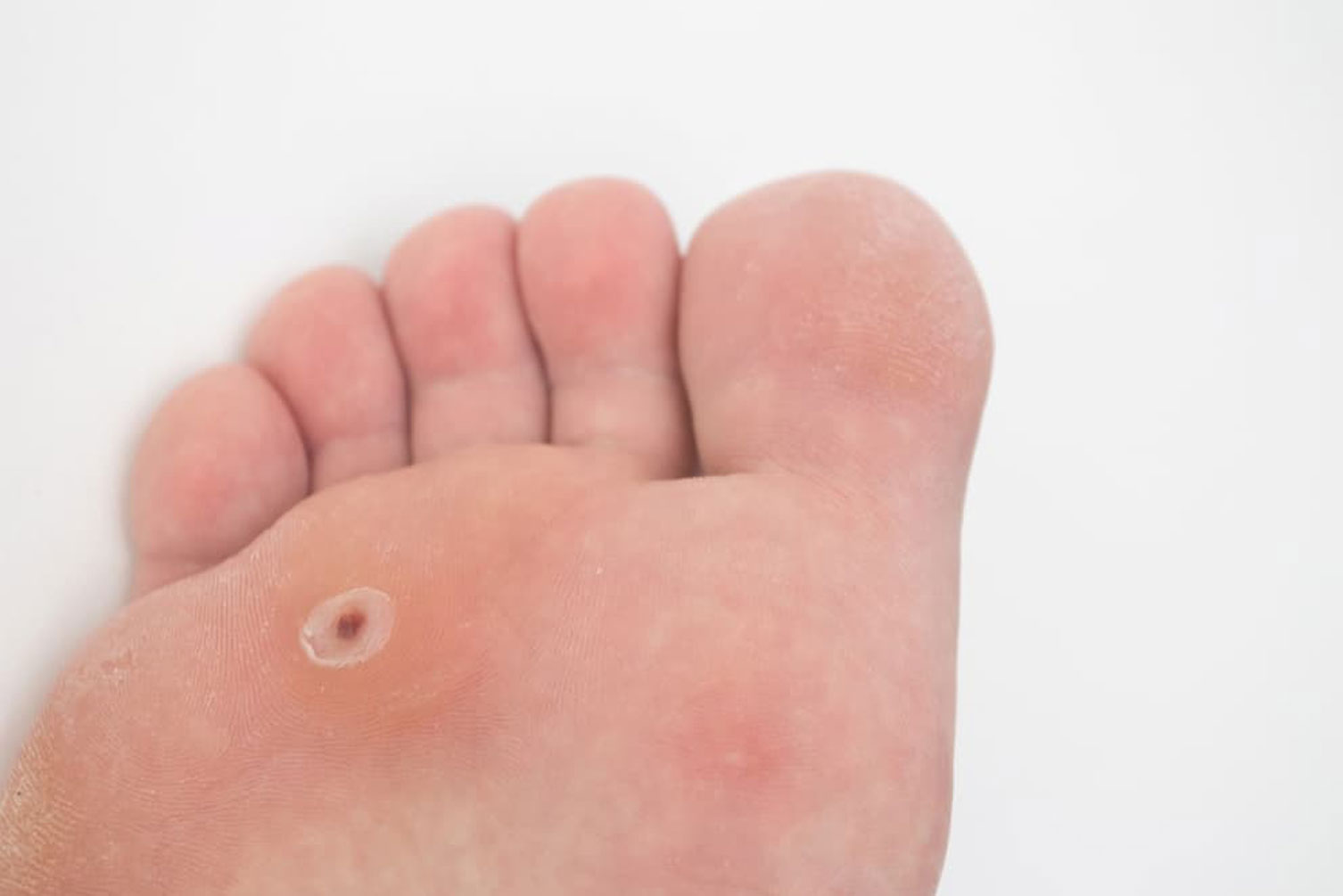
Verrucas might not be the most pleasant things in the world, but the good news is that they’re rarely serious. In fact, they often go away on their own!
If your child has a verruca that’s causing them pain or discomfort, don’t worry. There are treatments available that can help to speed up the healing process and get your little one back to being their normal self once more.
Below, we discuss what the treatment options are, what you can do to help at home and how long verrucas usually last.
The first thing to know about getting treatment for your child’s verruca is that many verrucas don’t actually need treatment. If it’s not causing your child any discomfort or otherwise getting in the way of everyday life, you can usually leave them to get better on their own.
This is often the more preferable option, as treatments can be time-consuming and may be uncomfortable for your little one - and around 50% of all children who have a verruca will find it’s disappeared on its own within 12 months. Others may take longer, but they’re rarely permanent.
However, you may wish to speed up this process with treatment if:
Treatments are usually available at the pharmacy. You should also speak to a GP if:
Treatments for verrucas are fairly straightforward and come in two general categories: salicylic acid formulations and cold therapy solutions.
Salicylic acid helps to break down the hardened surface of a verruca and encourages your immune system to take care of the HPV virus that causes it. It may cause slight irritation on healthy skin around the verruca.
Top tip! Use petroleum jelly on the healthy skin around a verruca to help protect it from irritation during treatment.
Cold therapy, on the other hand, works to freeze the verruca, causing it to break down and fall away from the skin. Cold sprays are often available over-the-counter for this purpose, and this is another treatment a GP may recommend you try before seeking an appointment - though it might not be advised for younger children.
If these treatments don’t work after three months, a GP may be able to recommend other options.
When a verruca is making your little one uncomfortable, it’s tempting to try whatever you can to help relieve the pain - but attempting to remove a verruca at home is very dangerous and should be avoided.
Why is this? Well, firstly, there’s the immediate risk that you may accidentally cut your child’s skin, creating a wound. Children, especially young ones, can find it difficult to sit still, and this makes cuts and abrasions even more likely.
This can lead to the longer-term risk, which is that any cuts or wounds created can become infected - either with the HPV virus or other germs. Even if you don’t create a wound, you may inadvertently spread germs onto your tools, your hands and from there onto anything you touch, all of which can lead to contagions spreading.
The best thing you can do at home to help relieve a verruca is to use pharmacy-approved treatments and take measures to prevent verrucas from further contamination. This means:
As we’ve mentioned, most verrucas will go away even without treatment - but this can take time. Fortunately, recovery tends to be quicker in children than in adults. According to NICE guidelines:
So, if your child isn’t bothered by their verruca and they’re not diabetic, then leaving the verruca to clear on its own can be the simplest option.
You might choose to leave the verruca for a while and see if it resolves itself, then try treatments later if it persists or if anything else changes to make treatment preferable. Whether you opt for treatment straight away or leave it for a while, remember to keep an eye on your child’s verruca so you know if anything changes.
For many children, verruca treatment isn’t necessary - but simple options are available at the pharmacy if you need them. The most important thing is to keep an eye on your child’s verruca in case of developments. And remember, pharmacists are there to help and advise if you have any concerns.
Author: Click, published 16-06-2026.