If you’ve ever unboxed a new pair of shoes for your child and spotted some tiny symbols, you’re not alone in wondering what they mean. In this blog, we outline the meanings of these symbols – known as pictograms – so you can use them to your advantage when shoe shopping.
Shoe pictograms might seem cryptic and mysterious, but they’re actually very simple. They’re designed to give you important information about the shoes at a glance – details that might not be obvious just by looking.
For example, you may not be able to tell whether a shoe uses real leather or synthetic materials by sight or touch. That’s where pictograms come in. They help you to quickly understand what the shoe is made from, how it’s constructed and what to expect in terms of comfort and care.
You’ll usually find these symbols stamped inside the shoe, on the sole or on the box. While they can seem a little technical at first, once you know what to look for, they’re incredibly helpful.
Shoe pictograms are broadly split into two categories:
Let’s break these down.
The first set of pictograms shows where the material applies. These typically include:
These symbols are often shown as simple outlines of a shoe with specific areas highlighted.
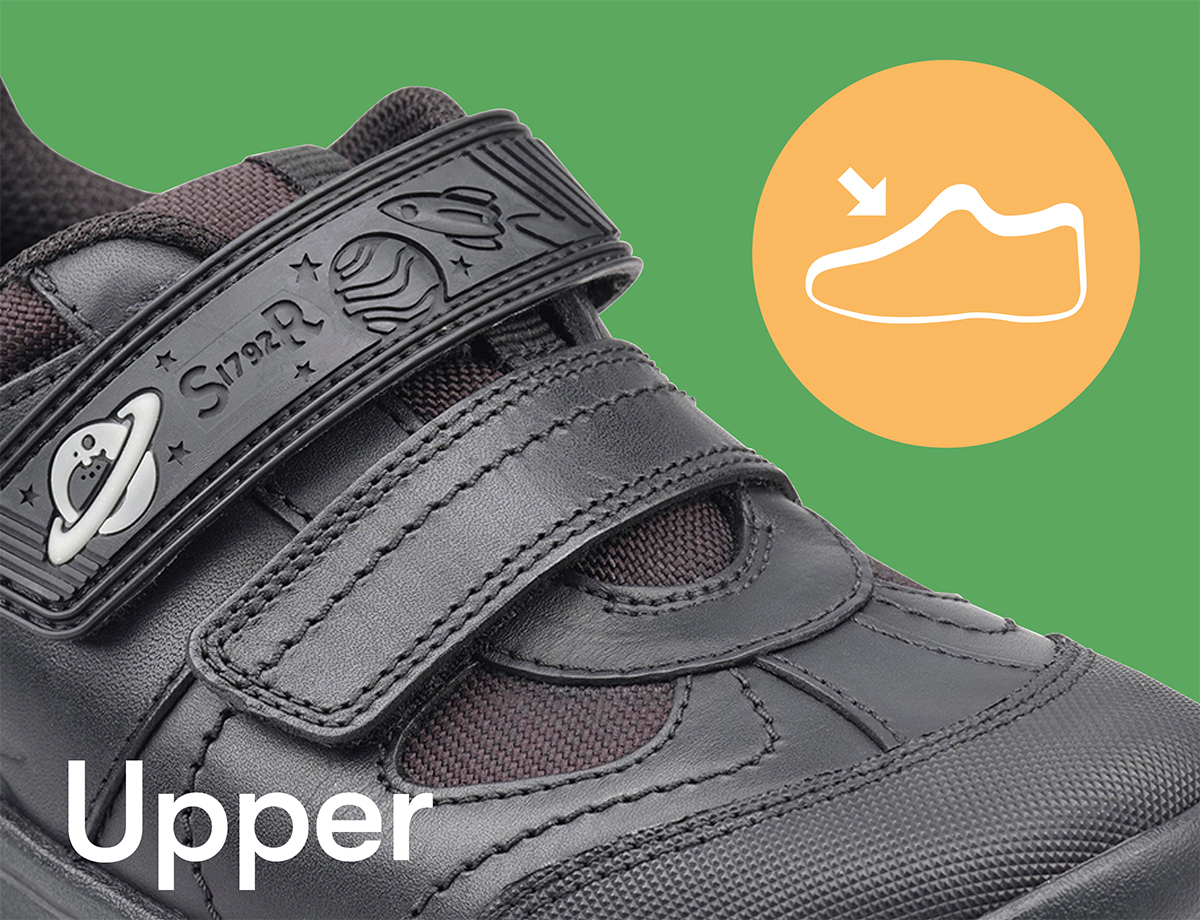
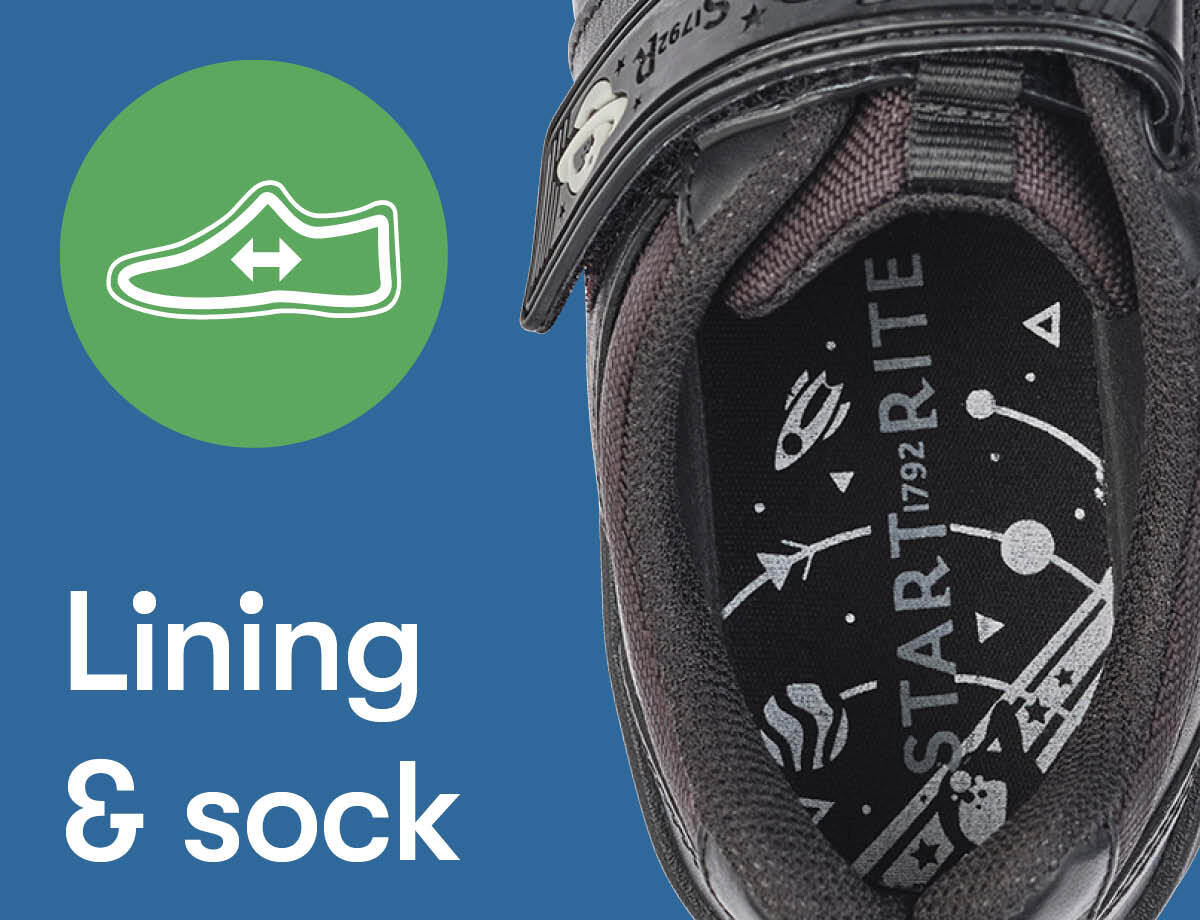
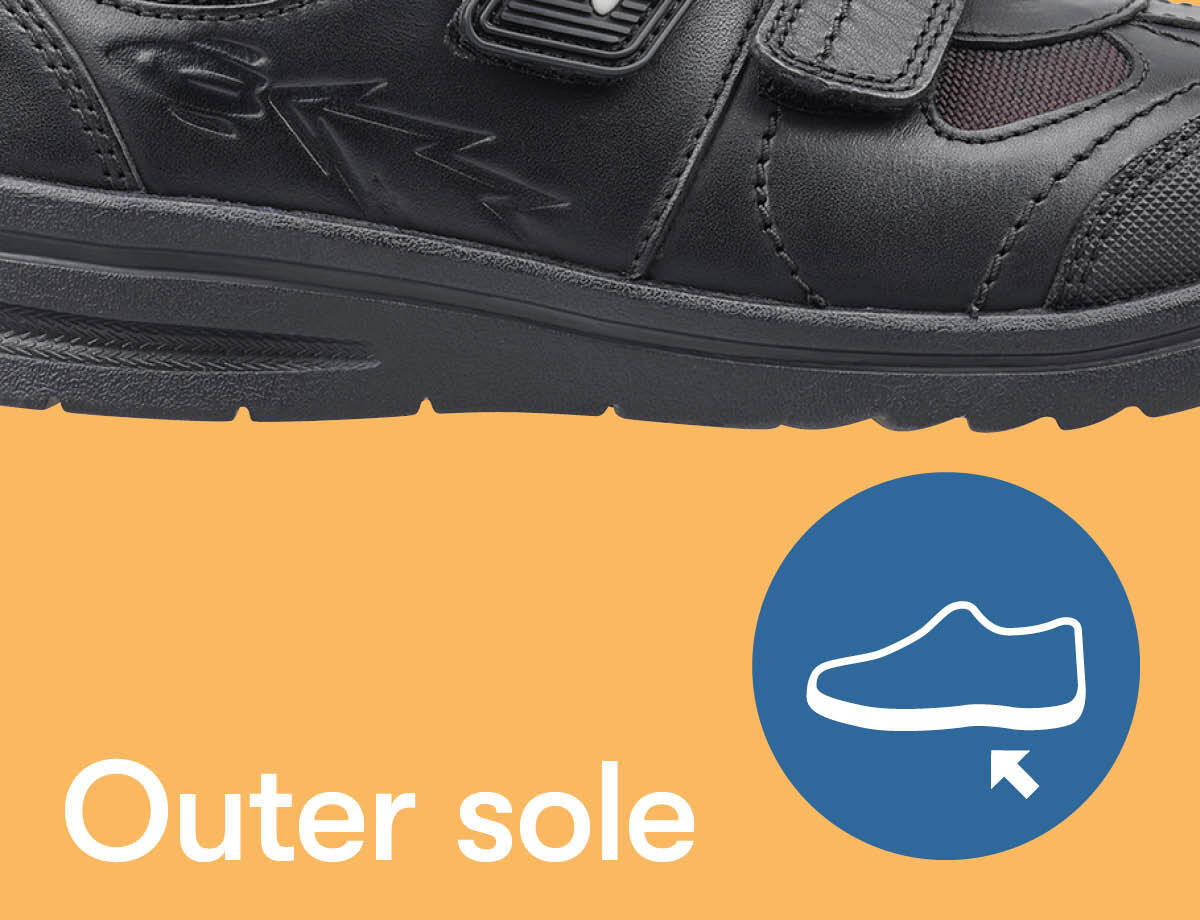
Understanding these icons helps you to match materials to specific parts of the shoe – which is especially useful when comparing comfort or durability.
The second set of pictograms explains what the shoe is made from. This is where things like leather, coated leather, textile and synthetic materials are indicated.
Common examples include:
It’s worth noting that these symbols usually indicate the material makes up at least 80% of that part of the shoe. So if you see the sign for leather on shoes next to the sign for the upper, you can be confident that the majority of it is real leather.
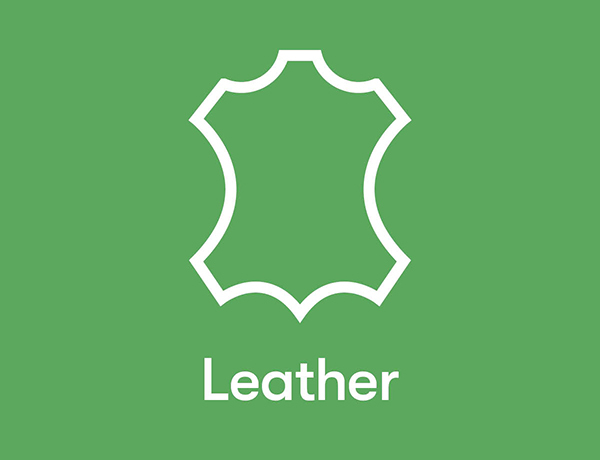

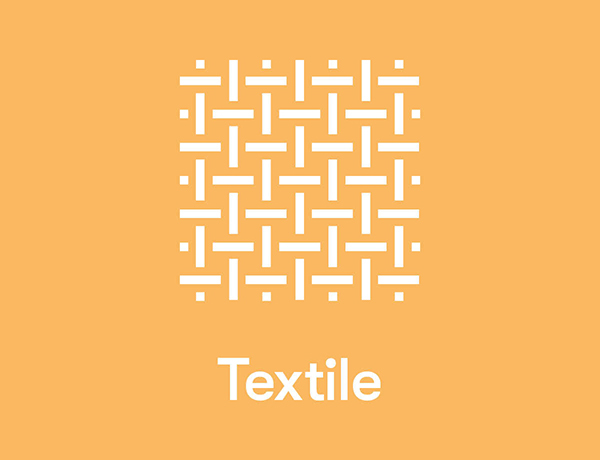

This information is particularly useful when shopping for specific needs – such as breathable linings or hard-wearing soles.
Understanding these symbols isn’t just about curiosity – it can make a real difference when choosing the right footwear for your child.
Here’s why they matter:
1. Making informed choices (including vegan options)
If you’re looking for non-leather footwear, pictograms help you to quickly confirm whether a shoe is suitable. For example, if you’re browsing our vegan school shoes, these symbols give added reassurance about materials.
2. Knowing how to care for shoes
Different materials require different care. Leather benefits from regular polishing and conditioning, while synthetic materials might need a different approach to cleaning and maintenance.
Knowing what your child’s shoes are made from helps you to choose the right products from our shoe care range and keep each pair in tip-top condition.
3. Prioritising comfort
The materials used inside the shoe – especially the lining and sock – can have a big impact on how comfortable they feel throughout the day. Breathable textiles or soft leather linings can help to keep little feet happy.
4. Repeating a winning choice
If your child loved their last pair of school shoes, pictograms can help you to recreate that success. By checking whether they featured leather uppers or specific lining materials, you can find similar styles – such as our collection of leather school shoes – and increase the chances of another great fit.
Shoe pictograms might be small, but they carry a lot of useful information. Once you know how to read them, they become a simple but powerful tool – helping you to choose shoes that meet your child’s needs for comfort, durability and style.
Author: Start-Rite Shoes, published 23-09-2026.