As parents, it can be hard to keep track of all the different terms relating to children’s development - meaning it’s not always easy to know what’s a real problem and what will typically sort itself out as little ones grow older.
In this blog, we explore the topic of ‘overpronation’ - including what it is, signs to watch out for and what to do if you think your child might be affected. Keep reading to learn more.
Pronation is the term used to describe the side-to-side movement of the foot as you walk. When you take a step, the impact tends to land on the heel, and then roll forwards and inwards towards the ball of the foot. This helps the body to absorb the impact of each step.
In what’s called ‘normal’ or ‘neutral’ pronation, the foot does this well - people with normal pronation may find their feet roll slightly more inwards (i.e. towards the other foot) or less so, but remain aligned roughly straight.
For some people though, things don’t go quite to plan. Some people don’t roll their feet far enough, which can look like they’re instead rolling outwards. This is called underpronation or supination.
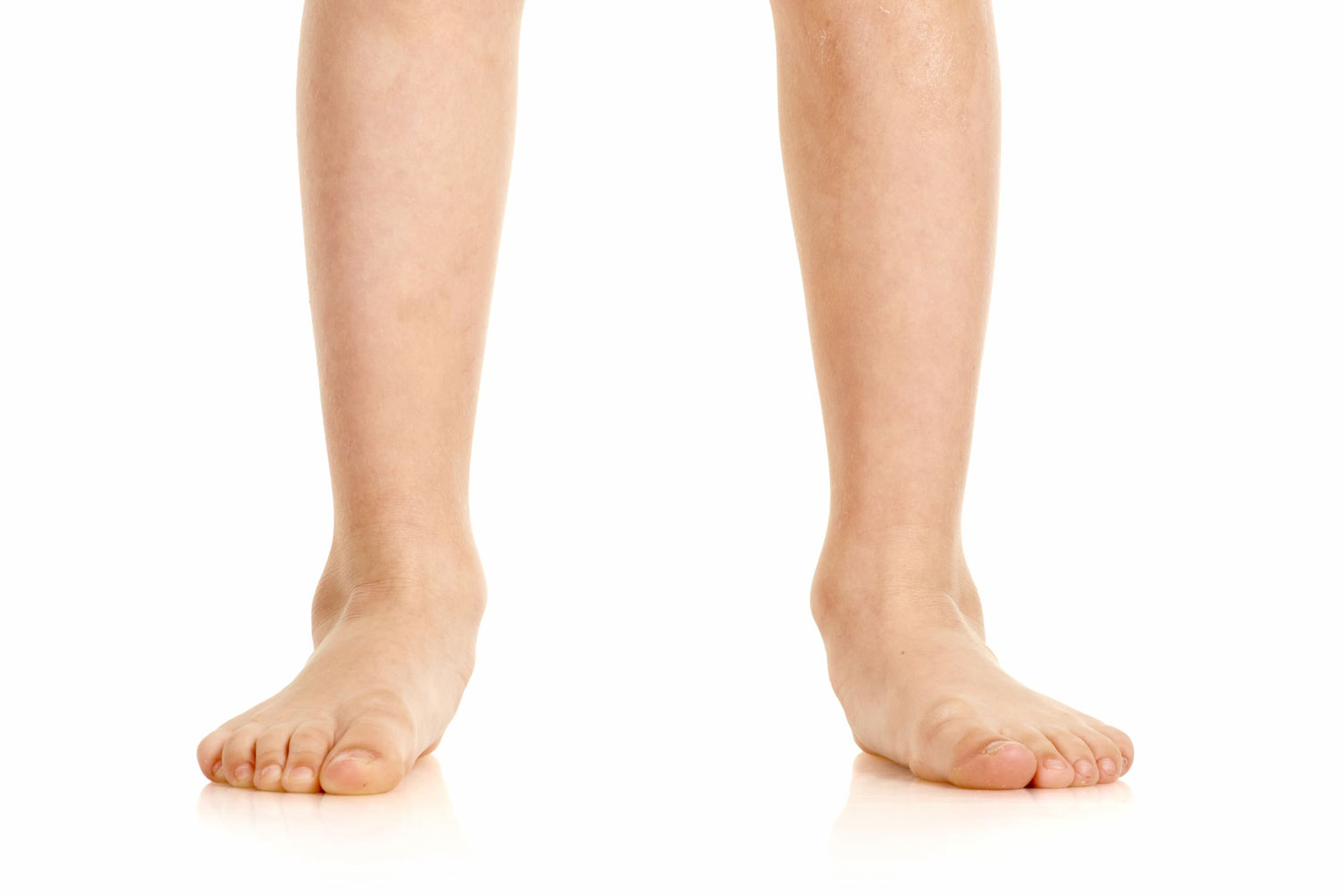
In others, the foot rolls too far inwards, resulting in a flattening of the feet, and this is called overpronation.
Having under- or overpronated feet isn’t usually serious. In fact, it’s typically part of a child’s development below the age of six, as the arches of their feet develop. But if the arches don’t develop as expected, children may start to experience discomfort as a result.
Although overpronation isn’t typically something to worry about - especially in young children - it’s still worth knowing what to look out for so you can keep an eye on any problems that do arise.
Overpronation affects the way your child walks, and this can have an impact on the way their shoes wear over time - particularly for school shoes that are often worn more frequently and for longer periods.
Below are some common signs on children’s shoes that may indicate overpronation.
The biggest and most common sign of overpronation in shoes is one-sided wear - and the mechanism behind this is surprisingly simple. If your child has overpronated feet, each step will involve a rolling movement inwards, towards the big toe and inner arch of the foot.
When this is the case, there will naturally be more wear and tear on the inside edges of their shoes, particularly on the soles, as these areas will touch the ground more. In contrast, the outer edges of the soles may seem especially pristine or unused, because they bear less weight and pressure as your child walks.
Remember:
Another sign that you might notice in your child’s shoes is a certain tilt - caused partly by the uneven wear discussed above. The ankles of the shoes may seem to be skewed slightly inwards rather than standing in a straight vertical.
This may be more noticeable in shoes that offer high coverage, such as high top trainers, wellies or boots. Or, in lower coverage shoes like sandals, you may notice that the insole is not level, and tilts down towards the inner edge of the shoe.
Last but not least, another possible sign of overpronation is a stretched upper - the part of the shoe that covers over your child’s foot and toes. This may be more noticeable in older or less well-made shoes that are more susceptible to wear and tear.
Why does this happen? Well, all shoes are made for typical, ‘normal’ or average feet. A foot that overpronates will pull at the fabric of the upper in a different way to one with normal pronation, and so the shoe is exposed to different forces. Over time, this can lead to a greater degree of wear on the upper.
As mentioned, overpronation is usually nothing to worry about. It forms part of a child’s natural development as their feet evolve from thick, fleshy pads into more sculpted and adept tools for movement. Choosing the right shoes can support this.
In most children, the arches of the foot form by around six years of age, at which point overpronation typically resolves itself. However, every child is different, and so it’s not necessarily a problem if it takes a little longer for your child to adjust.
If this is the case for your child, feel free to mention it to your doctor if you have any concerns. Generally speaking, overpronation is only considered a problem if it causes other problems - for example, if it affects your child’s gait (how they walk) or causes pain or discomfort.
Overpronation isn’t something to panic about, and if it does cause issues for your child, there are plenty of non-surgical options available to help your child’s arches develop and strengthen. In the meantime, the best thing is to let your little one run and play as usual and simply keep an eye out for any signs of discomfort.
Author: Click, published 18-06-2026.