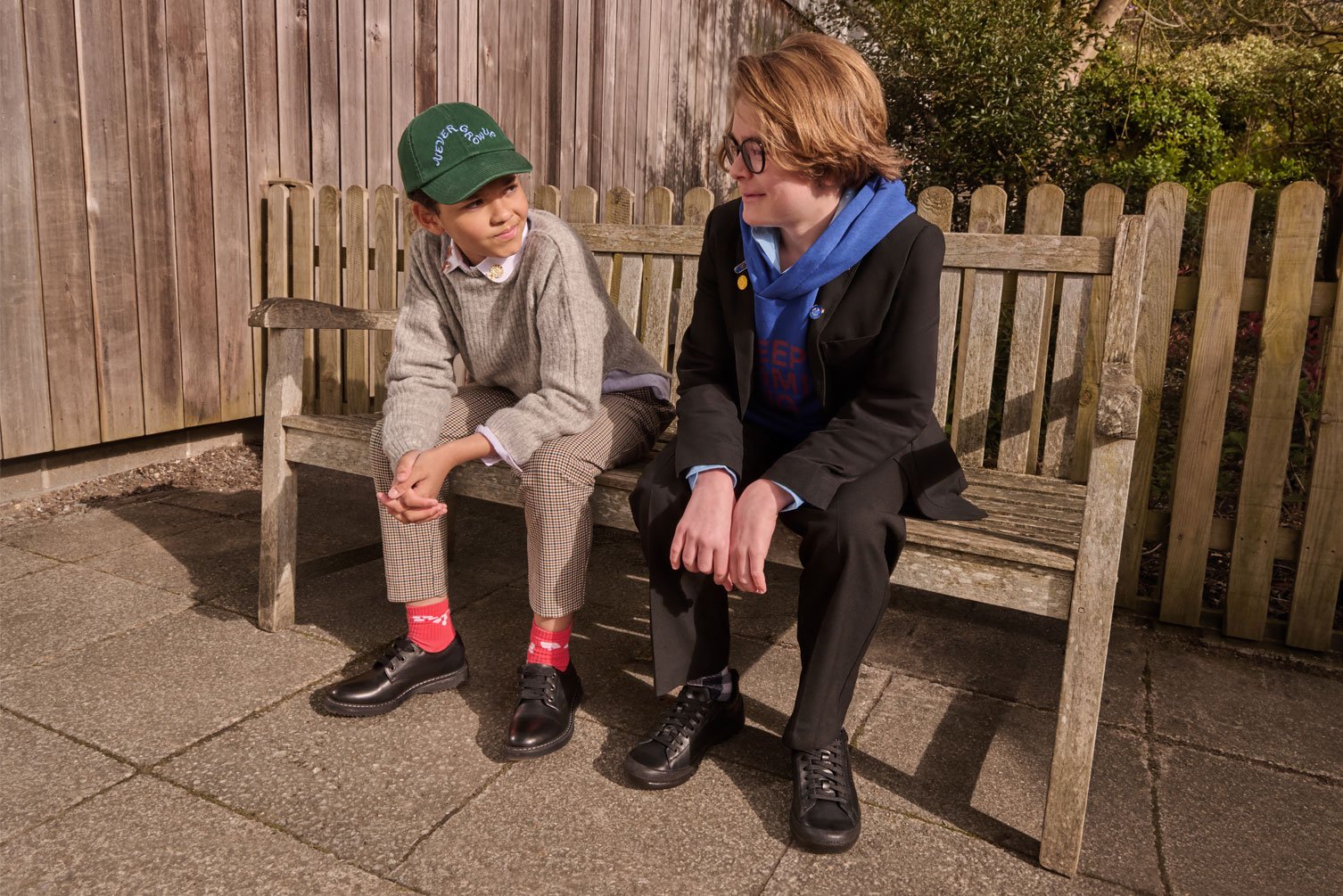
Children’s feet can grow quickly during growth spurts. Because of this, you can’t always rely on age-related milestones to know when it’s time to buy larger shoes – shoes bought earlier this year might not fit any longer.
With younger children in particular, though, it’s not always easy for children to let you know when their shoes are starting to feel tight or restrictive. Here, we highlight some of the key signs their shoes are getting too small so you can spot the issue early.
Sometimes children don’t notice discomfort until it starts to cause longer-term problems. Sometimes they forget about ill-fitting shoes until the time comes to put them back on again. Sometimes they simply don’t have the words to tell you what they’re experiencing.
Whatever the cause, it’s not unheard of for children to carry on wearing shoes that don’t fit well rather than asking for a new pair or complaining about discomfort. That’s why it’s so important to know the visible signs of overly tight shoes.
Here’s our checklist:
One of the most obvious signs that shoes are too small is when your child’s toes are pressing against the front. There should always be a little growing room at the end of the shoe to allow for movement and healthy foot development.
If your child says their toes feel squashed, complains of sore toenails or you notice their toes curling slightly inside the shoe, it’s likely time to size up. Younger children may not explain this clearly, so it’s a good idea to regularly check the fit yourself by gently squeezing the toe box to feel for their foot within
You can also use Start-Rite’s handy at-home fitting guide to make checking sizes easier.
Blisters, red marks and rubbing around the heels or sides of the feet can often indicate that shoes are too tight. When shoes no longer fit correctly, they create pressure and friction in areas that should feel comfortable.
While some rubbing can happen with brand-new shoes initially, ongoing irritation is usually a sign that the fit isn’t right. Pay particular attention if your child starts avoiding certain shoes that they previously loved wearing.
Children who are especially active may be more prone to discomfort in tighter footwear, particularly during warmer months when feet can swell slightly. Breathable, properly fitted options such as girls’ sandals can help to keep feet comfortable in summer.
Sometimes children will simply say their shoes feel “tight” or “funny”. Other times, the signs are less obvious. You may notice them taking their shoes off whenever possible, avoiding walking long distances or becoming reluctant to get dressed for school or outings.
Feet that feel cramped inside shoes don’t have enough room to move naturally, which can affect comfort throughout the day. Shoes should feel secure but never restrictive.
It’s especially important to check the fit of school shoes regularly, as children often wear them for long periods every day. Start-Rite’s school shoes can be shopped by size, helping to ensure a comfortable fit.
Shoes that once slipped on easily may suddenly become difficult to fasten or remove. If your child struggles to get their feet into their shoes, or you find yourself having to force zips, straps or fastenings, it’s often a sign the shoes have become too snug.
You might also notice socks bunching up more than usual as feet squeeze into tight shoes. This is particularly common with boots and closed shoes during the colder months.
Well-fitted boys’ boots should provide enough room for comfort while still supporting growing feet.
Many children’s shoes come with adjustable straps, laces or rip-tape fastenings to help create a secure fit. However, if you notice there’s very little room left when fastening them or the straps barely reach anymore, your child may have outgrown the shoes.
Similarly, if shoes appear stretched at the sides or the fastening feels strained, this can indicate the shoe is no longer wide or long enough for your child’s feet.
Checking the fit every few months is a good habit, particularly for younger children whose feet tend to grow more rapidly.
If you suspect your child’s shoes are too small, the best thing to do is check their measurements as soon as possible. Continuing to wear shoes that are too tight can lead to discomfort and may affect your child’s healthy foot development over time.
Aim to check your child’s shoe size regularly, especially during periods of rapid growth. Younger children may need new shoes more frequently than you expect, while school-aged children can still go up sizes quite quickly.
When trying on new shoes, make sure there’s enough room for toes to wiggle comfortably, while the heel remains secure. Shoes should feel supportive without pinching or rubbing anywhere.
It’s also worth remembering that children’s feet can change not only in length but also in width, so choosing properly fitted footwear with the right width fitting makes all the difference to comfort and confidence.
By watching out for these common signs, you can help to keep your child’s feet healthy, comfortable and ready for every adventure.
Author: Vista, published 24-09-2026.