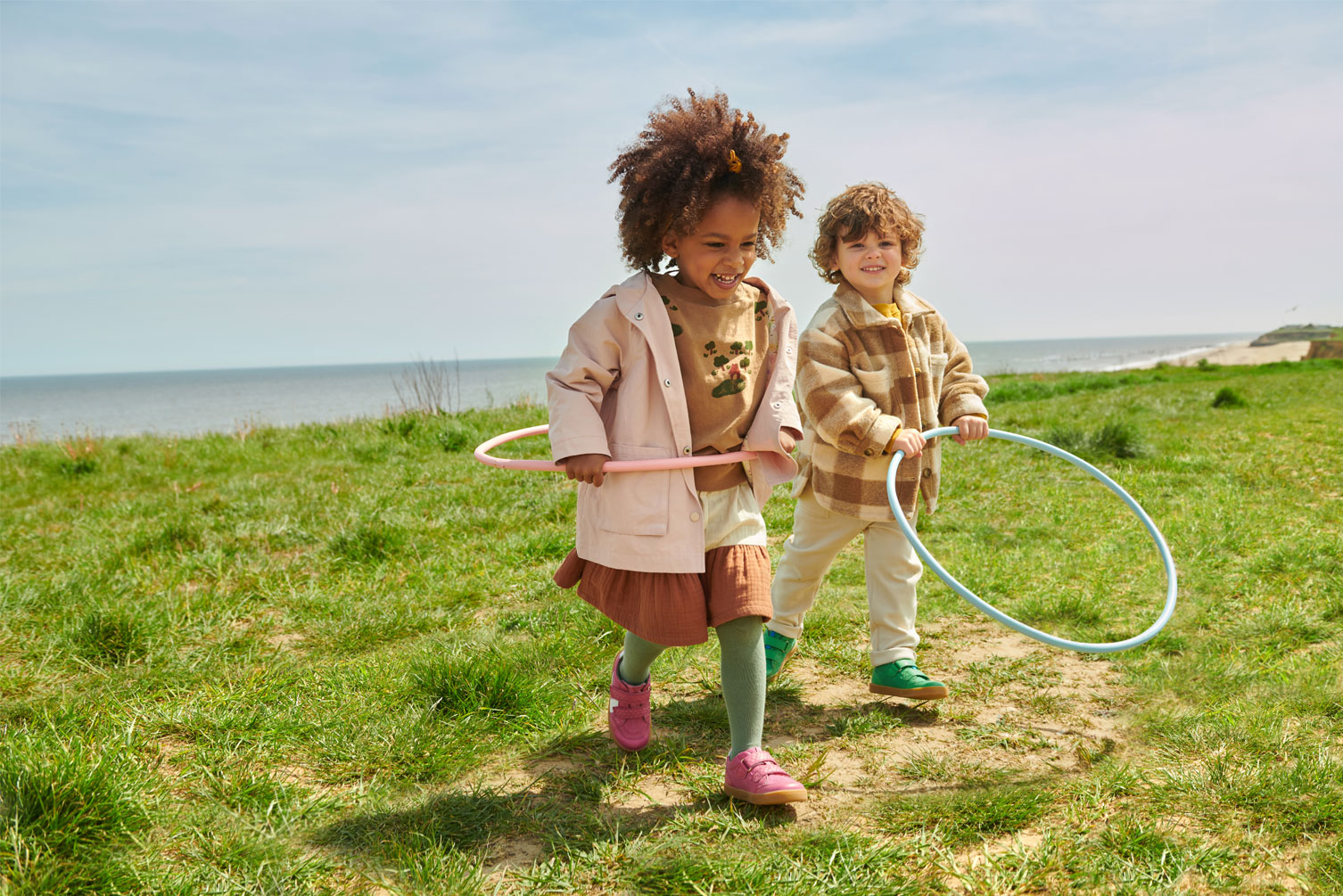
Getting children active can sometimes feel easier said than done. Between school, homework, screen time, busy family schedules and the inevitable “I don’t want to!”, many parents may find themselves wondering how to encourage kids to exercise more.
The good news is that physical activity doesn’t have to mean signing up for organised sports or setting aside an hour every day for exercise. There are plenty of simple ways to make movement a natural and enjoyable part of family life.
If you’re struggling for inspiration, try some of the ideas below. Remember, you don’t need to do everything at once – even one small change can help to get children moving more.
According to NHS guidance, children and young people aged 5 to 18 should aim for an average of at least 60 minutes of moderate or vigorous physical activity across the week. This should include activities that strengthen muscles and bones at least three days a week.
However, this doesn’t necessarily mean parents need to make sure their child completes a full 60-minute exercise session every day. Children often get plenty of opportunities to be active at school, whether that’s during PE lessons, break times, walking around the playground or taking part in other activities.
The aim is to encourage regular movement throughout the day and across the week, rather than worrying about hitting a specific number every single day.
For more information about the benefits of keeping children active, take a look at our guide on why exercise is important for kids.
There isn't one magic trick that will work for every child. Some children love running around, while others would much rather sit down with a book or play a game on a tablet.
If you're struggling to get your child moving, try one or two of these ideas and see what works for your family.
Exercise doesn't always need to be the main event. Instead, make movement part of something you already need or want to do.
Could you walk to school instead of driving? Walk to the shops, cycle to a friend's house or head to the park after school? Even a family hike doesn't have to be framed as exercise – it could be an opportunity to explore somewhere new, spot wildlife or go sightseeing.
Taking the focus away from “exercise” can make physical activity feel much more enjoyable.
Children are naturally curious and competitive, so turning movement into a game can be a great way to get them involved.
You could play a traditional game of football, rounders or tag, or make up your own challenges. See how far everyone can run in 10 seconds, count how many jumps they can do, have a race to a particular tree or see who can collect the most interesting leaves during a walk.
The possibilities are almost endless – and the sillier the game, the better!
A little encouragement can go a long way. Let your child know when you notice them making an effort, whether they've run further than before, tried a new activity or simply joined in.
Positive encouragement can help children to associate physical activity with feeling good about themselves, rather than seeing exercise as something they have to do.
Remember to focus on their effort and enjoyment rather than how fast they are or whether they win – being active is far more important than being the best.
Children often learn by watching the adults around them. If they see you enjoying being active, they're more likely to view movement as a normal part of everyday life.
Try going for a family walk, dancing around the kitchen, gardening together or getting involved in a game at the park. You don't have to be particularly sporty – simply showing that you enjoy moving can make a difference.
Exercise doesn't always look like exercise. Everyday activities can provide opportunities for children to move, too.
Helping to carry the shopping, putting away laundry, tidying their bedroom, walking the dog or helping in the garden can all get children up and moving.
Instead of worrying about whether an activity “counts” as exercise, think about how you can encourage your child to spend less time sitting still and more time moving throughout the day.
If children associate physical activity with uncomfortable or painful feet, it’s likely they’ll be less enthusiastic about doing it again. Making sure their shoes fit properly and feel comfortable can make a big difference.
Children's feet are constantly growing and changing, so it's important to choose footwear that provides enough room for toes to wiggle, while holding feet securely in place at the ankle. Breathable materials can also help to keep feet comfortable during active days, while a good fit helps to reduce the risk of accidents.
For children who need a little extra width, Start-Rite offers wide fit boys’ shoes and wide fit girls’ shoes, helping parents to find comfortable options for growing feet.
Ultimately, encouraging children to exercise isn't about forcing them to complete a workout. It's about creating opportunities for movement and helping them to discover activities they genuinely enjoy. Whether that's climbing a tree, riding their bike, scooting to school or looking for treasure on the beach, every little bit of movement can help children to build healthy habits that last a lifetime.
Author: Vista, published 29-10-2026.