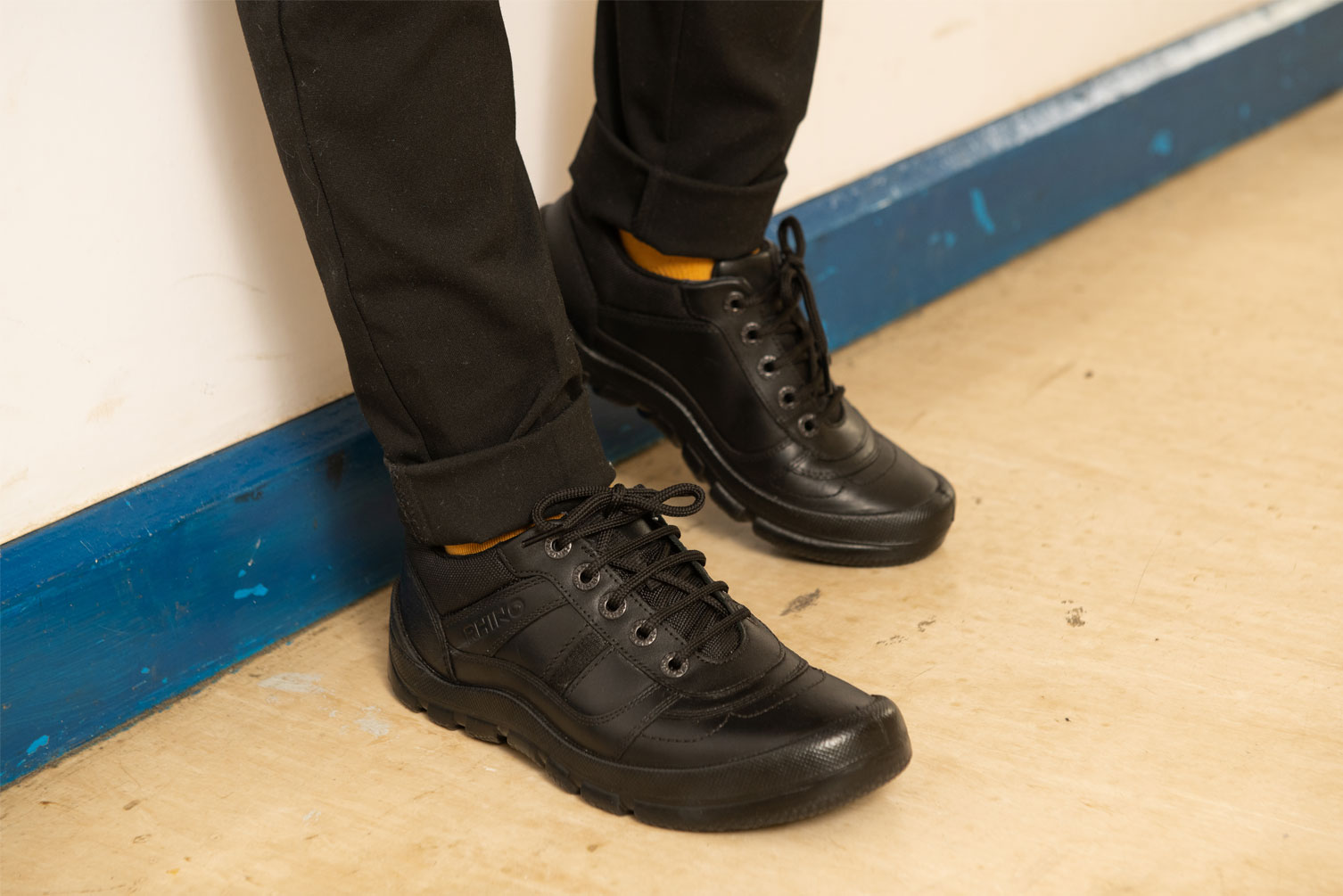
Lacing a shoe might seem straightforward and in fact, most parents have done it thousands of times. But with so many different ways to lace a shoe these days, this simple act can feel a bit more complicated than it needs to be. From fashion-inspired lacing that looks like a work of art to the special lacing techniques runners use to fine-tune their trainers, there’s a whole world of styles out there.
For children’s footwear, though, the aim is comfort, support and safety. So we’re keeping things simple - helping you to avoid getting tied up in knots while ensuring every pair fits just right for you and your little one.
It’s easy to underestimate how much influence a simple lace has on comfort and safety. A shoe that’s laced unevenly can rub, pinch or feel loose. If one lace ends up much longer than the other, it’s more likely to trail, come undone or become a trip hazard - which no child wants to deal with when there’s fun to be had in the playground.
Good lacing helps the shoe to support the foot properly, which is especially important for growing feet. Whether you’re lacing up everyday styles like those in our boys’ casual shoes collection or smart school shoes, a little care goes a long way.
If you’re a keen runner, you might already know a few clever techniques to get the perfect fit, while fashion‑lovers may enjoy copying a signature pattern. But for children’s shoes, practicality really is the priority. That’s why we’re keeping things simple and focusing on the methods that offer comfort, ease and independence.
Criss-cross lacing - ideal for everyday shoes and younger children
The classic cross-lacing method creates that familiar ‘X’ pattern and is perfect for everyday wear. It’s the style most children learn first, so it’s worth brushing up on the basics if you’re helping them to practise – and this guide to teaching children to tie shoe laces can help.
This lacing style is secure, supportive and easy to adjust, making it especially good for younger children.
lacing pattern is a great choice for kids because it makes getting shoes on and off much easier, and it helps to spread pressure evenly across the foot for a comfy, secure fit. It’s also one of the simplest styles for children to learn when they’re practising how to tie their laces.
Plus, it works well for most foot shapes, including narrow and wider feet, making it a reliable option for everyday wear – which is why it’s stood the test of time.
Ladder lacing - great for smarter shoes and older children
Straight lacing creates a neat, ladder-like effect that gives the shoe a tidy, polished finish. It’s a slightly more advanced technique, so younger children may find it a bit tricky, but it’s a great way for older children to level up their lacing skills.
The straight-ladder style is also ideal for occasions that call for a more formal look - whether that’s a wedding or a pair of smart lace‑up school shoes.
It’s worth noting that lacing in this way can feel slightly tighter across the top of the foot and can be less flexible to adjust, so it may not suit very young children, active kids or children with higher insteps.
Focusing on the right type of lace can make everyday wear much easier for children. Flat laces are usually the best all-rounder because they stay tied more securely and are easier for small hands to grip.
In contrast, round laces are often used in smarter or school shoes, but they can loosen more quickly and may be trickier for beginners because they feel a bit slippier to handle.
Here are a few quick checks that can also make all the difference when lacing shoes:
For quick spot cleans, there’s no need to remove the laces. A damp cloth and a little patience usually do the trick. But if you’re giving the shoes a more thorough clean, removing the laces can make life much easier. It allows you to reach areas that are otherwise awkward - such as under the tongue - and helps the shoes to dry more evenly.
If the laces themselves are looking grubby, wash them separately. Once dry, re-thread them carefully and evenly so the fit remains comfortable and supportive.
One final top tip: if your child is still learning to tie laces, consistency helps. Keeping the same lacing style on all their shoes makes the skill easier to practice - and builds confidence faster.
Author: Vista, published 17-03-2026.